 By Ayse Ayhan
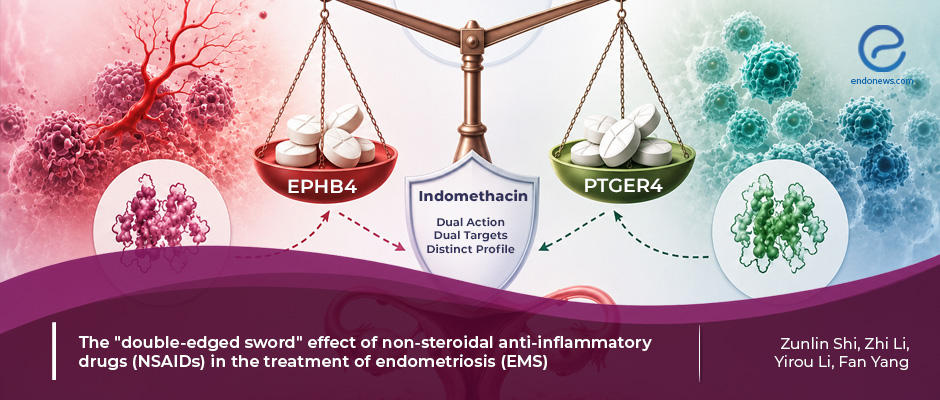
Rethinking Nonsteroidal Anti-Inflammatory Drugs in Endometriosis
 By Ayse Ayhan
Nonsteroidal anti-inflammatory drugs (NSAIDs) are among the most commonly used medications for relieving pain associated with endometriosis. However, whether long-term NSAID use influences the disease process itself has remained unclear. A new study published in Reproductive Biology and Endocrinology by…
Key Points Lay Summary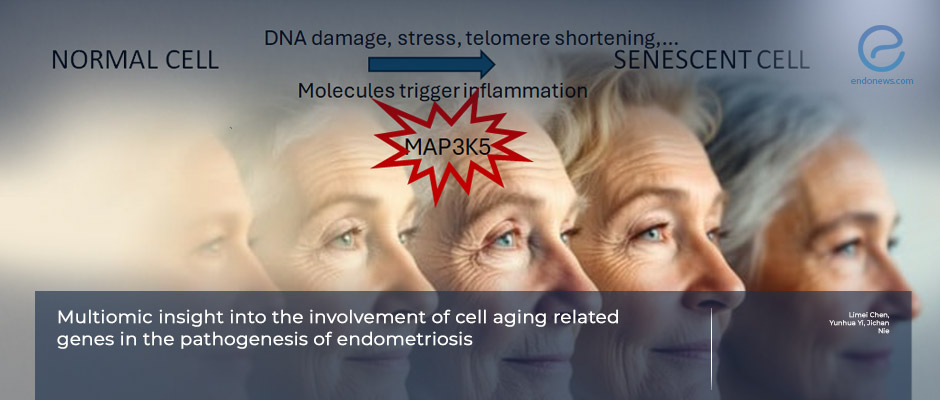
Cell-Aging-Related Pathways Linked to Endometriosis Pathogenesis
By Ayse Ayhan
The biology of endometriosis continues to challenge conventional understanding. While inflammation, hormonal imbalance, and immune dysfunction have long been recognized, this new study explores an entirely different dimension—cellular aging. Researchers from Shanghai Obstetrics and Gynecology Hospital, used a multiomic approach…
Key Points Lay Summary
 By Eylül GÜN
Unraveling the Immune System's Role in Endometriosis
 By Eylül GÜN
Endometriosis is often driven by complex immune system interactions. Dysregulated immune cells, including macrophages, neutrophils, and natural killer cells, play a significant role in promoting inflammation and lesion progression. Researchers from China Led by Dr.Xu conducted a study to investigate…
Key Points Lay Summary
Causal links between inflammatory regulators and endometriosis phenotypes
By Eylül GÜN
Endometriosis is believed to be polygenic and multifactorial, involving processes such as angiogenesis, immune responses, hormonal changes, and progesterone resistance. Inflammation is suspected to play a crucial role in its development, potentially creating a microenvironment that supports ectopic endometrial tissue growth.…
Key Points Lay Summary